
Remote data entry is one of those jobs that sounds simple on paper and confusing in real life. People hear “work from home, enter data, get paid” and assume it’s either too good to be true or painfully boring. The truth sits somewhere in the middle.
This article is for anyone who’s curious about remote data entry but wants the honest version. If you’re a beginner looking for your first online job, a parent trying to work around school schedules, or someone burned out from physical work and wondering if this could be an option, you’re in the right place.
From what I’ve seen helping friends and family explore remote work, data entry often gets misunderstood. Some people expect fast money and flexibility with zero effort. Others dismiss it entirely because they think it’s all scams. Reality is more nuanced. There are legitimate remote data entry roles, but they come with specific expectations, limits, and tradeoffs that aren’t always advertised clearly.
Let’s break down what remote data entry actually involves, day to day, without hype or scare tactics.
What Is a Remote Data Entry Job?
At its core, remote data entry means inputting, updating, or verifying information in digital systems for a company — from home or another remote location.
The data can come from many sources:
- Scanned paper documents
- PDFs or image files
- Online forms
- Audio recordings
- Emails or spreadsheets
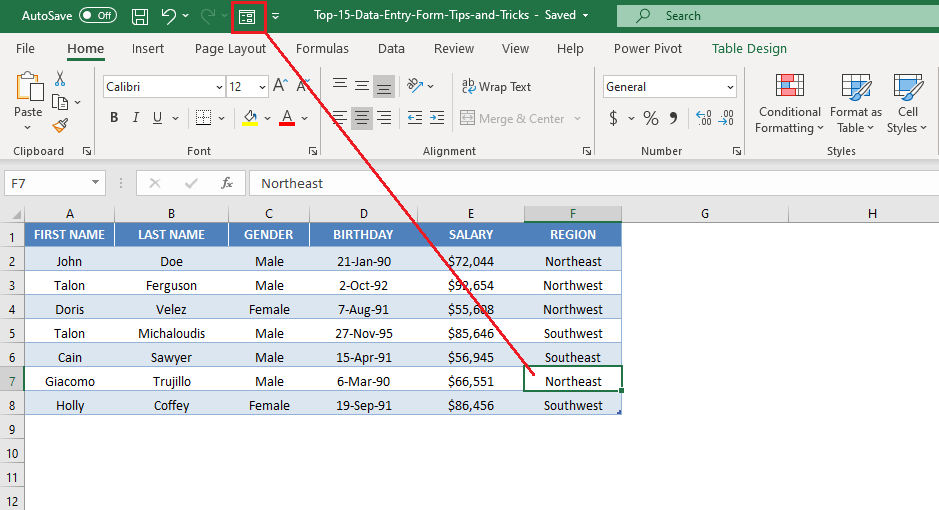
The information is then entered into:
- Spreadsheets
- Databases
- Customer relationship systems
- Internal company software
People often imagine nonstop typing numbers into Excel all day. In reality, the tasks vary depending on the industry and employer.
Some common examples of real data entry work include:
- Updating customer contact details
- Entering invoice or billing information
- Transcribing short form data from scanned documents
- Cleaning up outdated or duplicated records
- Verifying information for accuracy
A key point people don’t realize: data entry is less about typing speed and more about accuracy and consistency. Companies would rather have someone slower but reliable than fast and careless.
What Does the Day-to-Day Work Look Like?
In real life, a remote data entry workday is usually quiet, repetitive, and structured.
Most people log in, receive a batch of tasks, complete them, and submit for review. Some roles are hourly, while others pay per task or per batch.
A typical day might include:
- Logging into a company portal
- Reviewing task instructions
- Entering or correcting data line by line
- Double-checking entries for errors
- Submitting completed work
In real situations I’ve watched, the hardest part isn’t the typing — it’s staying focused. One friend tried data entry while watching TV and made small mistakes that added up. She ended up losing access to future tasks because her accuracy dropped below the company’s threshold.
Some companies track:
- Error rates
- Time per task
- Completion consistency
This isn’t meant to scare you, but it does mean the job rewards attention and patience more than multitasking.
Skills and Requirements: What You Actually Need
Must-Have Skills
These are non-negotiable for most remote data entry roles:
- Basic computer skills
- Comfortable typing and navigating software
- Strong attention to detail
- Reliable internet connection
- Ability to follow written instructions exactly
You don’t need advanced technical knowledge, but you do need to be comfortable working independently.
Nice-to-Have Skills
These can help you get better roles or higher pay:
- Familiarity with spreadsheets
- Basic understanding of databases
- Previous office or admin experience
- Fast but accurate typing
I’ve seen people underestimate the “follow instructions” part. One cousin applied for several roles and kept getting rejected. Turns out he skipped formatting rules in test tasks because he assumed they were optional. They weren’t.
How Beginners Usually Start in Remote Data Entry
Most beginners don’t land a long-term data entry role immediately. They usually start with short-term or task-based work.
Common starting points include:
- Microtask platforms
- Freelance marketplaces
- Temporary contract roles
Some well-known platforms people explore include Amazon Mechanical Turk and Upwork. These platforms don’t guarantee steady income, but they can help you understand what data entry actually feels like before committing long-term.
A realistic beginner path looks like this:
- Practice basic typing and accuracy
- Apply to entry-level platforms
- Complete small test tasks
- Build a short work history
- Apply to more stable remote admin or data roles
People often quit too early because the first few weeks feel slow. That’s normal. You’re learning systems, not just typing.
Common Mistakes and Risks to Watch Out For
Remote data entry attracts scams more than many other job types. That’s just a fact.
Red flags to watch for:
- Requests for upfront fees
- Promises of unusually high pay for simple tasks
- Vague job descriptions with no company details
- Pressure to act quickly
I’ve personally watched a friend lose money paying for “data entry software” that turned out to be useless. Legitimate employers don’t charge you to work for them.
Other common mistakes include:
- Ignoring accuracy requirements
- Working without tracking time
- Taking on too many tasks too quickly
- Not backing up completed work
Data entry is simple, but mistakes can quietly end opportunities.
Realistic Pay Expectations (No Sugarcoating)
This is where expectations often clash with reality.
Remote data entry is not a high-paying remote job. Pay varies based on:
- Company
- Location
- Type of data
- Experience
- Speed and accuracy
Entry-level roles often pay modest hourly rates or per-task amounts that add up slowly. More experienced data entry specialists or admin assistants can earn more, especially with long-term contracts.
From what I’ve seen, people who treat data entry as:
- A stepping stone
- A flexible side income
- A temporary solution
tend to be happier than those expecting full-time income immediately.
Practical Tips From Real Experience
Here are a few things that genuinely help:
- Set a quiet work environment
- Track your accuracy, not just speed
- Read instructions twice before starting
- Take short breaks to avoid careless errors
- Keep copies or logs of submitted work
One small habit I recommend: review your first five entries before continuing. That alone can prevent repeated mistakes.
Also, consider where data entry fits into your bigger plan. Many people move from data entry into:
- Virtual assistant roles
- Remote admin support
- Customer operations
Those paths usually pay better over time.
Frequently Asked Questions
Is remote data entry a legitimate work-from-home job?
Yes, remote data entry can be legitimate, but it’s also one of the most imitated job types by scammers. Real employers exist, but they usually require test tasks, accuracy checks, and clear instructions. Legitimate roles won’t ask for upfront fees or pressure you into quick decisions. It’s important to research companies carefully and apply through trusted platforms or official company websites. Treat it like any other job search, not a shortcut to easy money.
Do I need experience to get a remote data entry job?
Many entry-level data entry roles don’t require formal experience, but they do expect basic computer skills and attention to detail. Some employers provide training or sample tasks. That said, competition is high, so having even small related experience — like admin work, spreadsheets, or microtasks — can help. Beginners often start with short-term tasks to build confidence and a simple work history.
How much can you realistically earn with remote data entry?
Earnings vary widely. Entry-level roles usually pay modest rates and may not provide full-time income immediately. Some people earn enough for supplemental income, while others combine multiple tasks or transition into higher-paying remote admin roles. Anyone promising high income for simple data entry tasks should be treated with caution. Consistency and accuracy matter more than speed when it comes to long-term earning potential.
Is remote data entry flexible for parents or caregivers?
Remote data entry can be flexible, especially task-based work where you choose when to log in. However, some roles have deadlines or minimum hour requirements. It works best for people who can focus during specific blocks of time without frequent interruptions. Many parents I’ve seen succeed treat it like scheduled work, not something squeezed in randomly.
Can data entry lead to better remote jobs?
Yes, it can. Many people use data entry as a starting point. The skills you build; accuracy, system navigation, independent work; transfer well to virtual assistant, admin support, or operations roles. The key is not staying stuck if your goals are higher. Treat data entry as experience, not a final destination.
Is Remote Data Entry Worth It?
Remote data entry isn’t glamorous, and it isn’t a shortcut to financial freedom. But it is real work that can fit certain lives and situations well.
If you value:
- Predictable tasks
- Independent work
- Entry-level remote access
it may be worth exploring.
If you need fast income, constant variety, or high pay early on, you may find it frustrating.
From what I’ve seen over the years, the people who do best are those who go in with clear expectations, avoid shortcuts, and use data entry as part of a larger plan rather than the whole plan. Read this for more if you love to get more details Beginner-friendly remote jobs that don’t require experience