


Working from home doesn’t always mean landing a full remote job or building a complicated online business. For many people, especially beginners, it starts with simple online tasks that can be done with basic skills, a laptop or phone, and a reliable internet connection.
This article is for people who want to earn something from home without committing to long courses, expensive tools, or unrealistic promises. I’ve seen friends try to jump straight into complex side hustles and burn out fast. In real situations, starting small is often what helps people build confidence and momentum.
If you’re a stay-at-home parent, student, career changer, or just someone looking to use spare hours more productively, these beginner-friendly online tasks can be a practical place to start. They won’t make you rich overnight, and that’s important to say upfront. But they can help you learn how online work actually functions and whether this path fits your life.
Let’s walk through the options honestly.
What Are Simple Online Tasks?
Simple online tasks are small, repeatable jobs that usually don’t require specialized training or professional experience. They are often task-based rather than long-term roles, meaning you get paid per task, per hour, or per project.
From what I’ve seen, people often underestimate these tasks because they sound basic. But basic is exactly what makes them accessible. These tasks exist because businesses and individuals need help with time-consuming work that doesn’t require expert-level skills.
Typical characteristics include:
- Clear instructions
- Short time commitment
- Low barrier to entry
- Pay that reflects simplicity
They are not passive income. You trade time for money, but you also gain exposure to online platforms, deadlines, and client expectations.
Common Types of Beginner Online Tasks
Data Entry and Form Filling
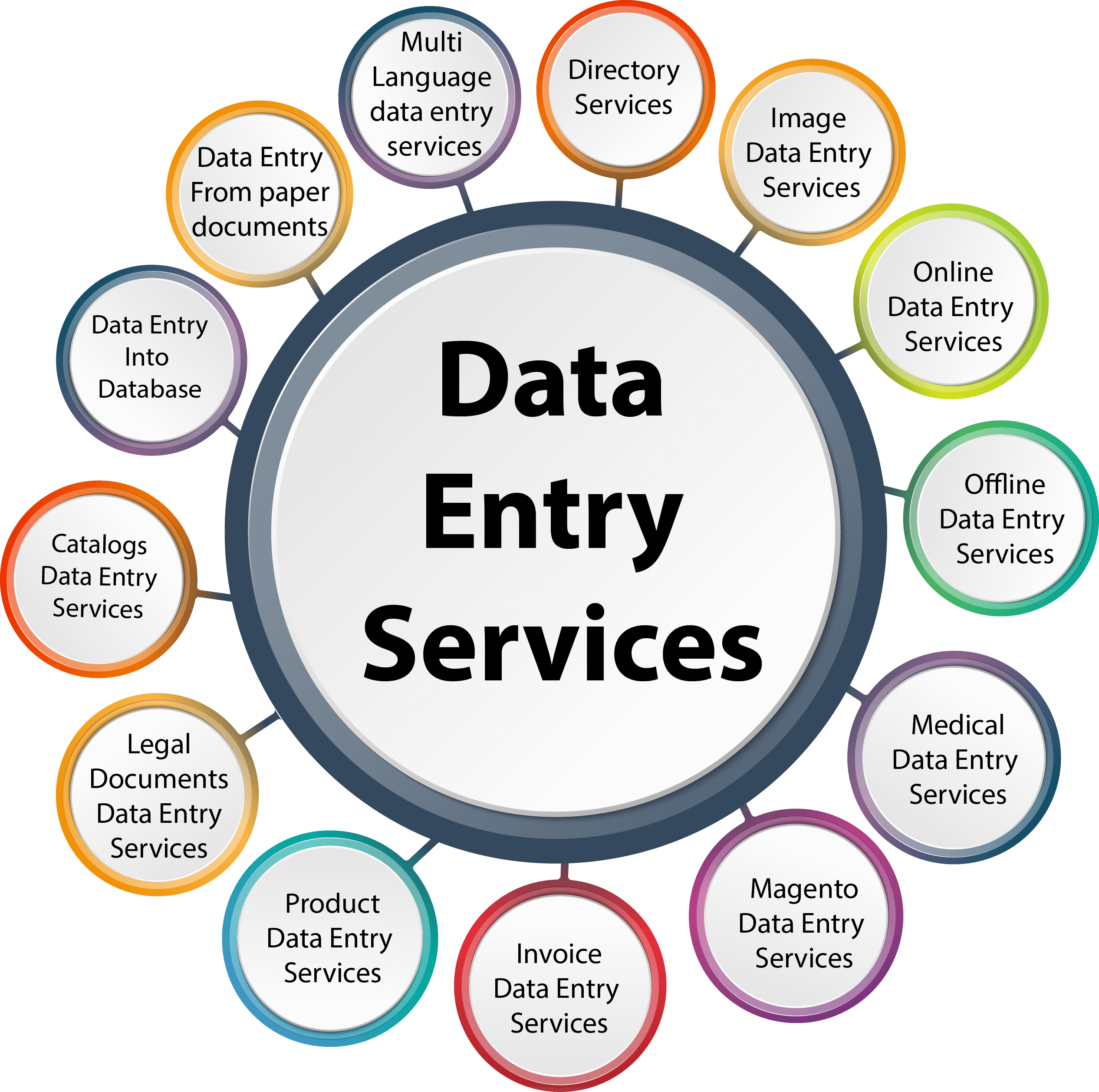
Data entry is often the first thing people try. Tasks include entering information into spreadsheets, updating databases, or copying details from one system to another.
A buddy of mine tried data entry while between jobs. He said the hardest part wasn’t the typing—it was staying focused when the work felt repetitive. If you’re detail-oriented and patient, this kind of task can work well.
Good for: Accuracy-focused people
Watch out for: Scams asking for upfront fees
Online Surveys and Microtasks
These are small tasks like answering surveys, categorizing content, tagging images, or reviewing short snippets of text.
People often don’t realize that surveys vary a lot. Some pay very little, while others are more reasonable depending on length and qualification. In real situations, consistency matters more than chasing one “high-paying” task.
Good for: Spare-time work
Watch out for: Time-to-pay ratio
Basic Virtual Assistant Tasks
You don’t need to be a full virtual assistant to start. Many beginners handle simple admin tasks like:
- Email sorting
- Calendar updates
- Copy-pasting content
- File organization
I’ve watched a cousin start with just email cleanup for a small online business. Over time, she learned more tools and increased her rates. Starting simple gave her confidence.
Good for: Organized people
Watch out for: Clear task boundaries
Social Media Support Tasks
These are not influencer roles. They include:
- Scheduling posts
- Responding to basic comments
- Following accounts based on instructions
People often assume social media work is creative, but beginner tasks are usually structured and repetitive.
Good for: Platform familiarity
Watch out for: Unpaid “trial” work
Content Moderation and Review Tasks

Some companies hire people to review content for quality, accuracy, or policy compliance. This can include checking listings, posts, or comments.
This work isn’t for everyone. I’ve seen people quit quickly because reviewing repetitive or sensitive content can be mentally tiring.
Good for: Rule-followers
Watch out for: Emotional fatigue
What Daily Work Looks Like in Real Life
Simple online tasks don’t usually come in neat eight-hour shifts. Most people fit them around other responsibilities.
In real situations, a typical day might look like:
- Logging in during quiet hours
- Completing tasks in batches
- Tracking earnings manually
- Waiting for approvals or payouts
One thing people often don’t realize is that unpaid time exists—refreshing dashboards, waiting for tasks, or dealing with rejections. That’s normal, especially early on.
Must-Have Skills vs Nice-to-Have Skills
Must-Have Skills
- Basic computer or smartphone use
- Reliable internet connection
- Ability to follow instructions exactly
- Basic communication skills
If you can read carefully and stay organized, you already meet many requirements.
Nice-to-Have Skills
- Typing speed
- Familiarity with Google Docs or spreadsheets
- Time management habits
- Basic problem-solving
I’ve seen beginners improve simply by practicing consistency, not by learning advanced tools right away.
How Beginners Usually Start Step by Step

- Choose one task type
Don’t sign up everywhere at once. It gets overwhelming fast. - Create a simple routine
Even 30–60 minutes a day builds momentum. - Read instructions carefully
Most rejections happen because instructions were skipped. - Track your time and pay
This helps you decide what’s worth continuing. - Gradually expand
Once comfortable, try slightly more complex tasks.
I’ve watched people quit too early because they expected immediate results. Give yourself a few weeks to adjust.
Common Mistakes and Risks to Avoid
Paying to Access Work
Legitimate platforms don’t charge you to apply. This is one of the most common traps beginners fall into.
Expecting Full-Time Income Immediately
Simple tasks usually pay modestly. Treat them as learning opportunities or side income at first.
Ignoring Payment Terms
Always check payout thresholds and payment schedules. Waiting weeks for a small payout can be frustrating.
Doing Unpaid Tests Without Limits
Short skill checks are normal. Long unpaid “trials” are not.
Realistic Expectations About Earnings
This is where honesty matters most.
Simple online tasks usually pay low to moderate rates, depending on speed, accuracy, and availability. Some tasks pay per piece, others per hour.
From what I’ve seen:
- Early earnings can feel slow
- Efficiency improves with practice
- Not all tasks are worth your time
People who succeed long-term often use these tasks as stepping stones rather than permanent solutions.
Practical Tips From Real Experience
- Work in focused blocks to avoid burnout
- Use a simple spreadsheet to track tasks
- Avoid multitasking across platforms
- Take breaks to maintain accuracy
- Stop tasks that consistently feel draining
I’ve seen people stick with tasks they hate just because they “started them.” It’s okay to pivot.
Frequently Asked Questions
Are simple online tasks legit or mostly scams?
There are real opportunities, but scams exist. Legitimate tasks don’t require upfront payments, don’t promise guaranteed income, and explain payment terms clearly. Always research platforms independently and trust your instincts when something feels off.
How much time do I need each day?
Most beginners start with 30 minutes to two hours daily. The flexibility is one of the biggest advantages, but consistency matters more than long sessions.
Can I do these tasks with just a phone?
Some tasks are mobile-friendly, like surveys or tagging. Others require a computer for efficiency. Starting with what you have is fine, but flexibility helps.
Do I need prior work experience?
No formal experience is usually required. However, basic reliability and accuracy are essential. Platforms often prioritize people who complete tasks correctly over those who rush.
Can these tasks turn into better opportunities?
Yes, sometimes. I’ve seen people move into admin support, customer service, or specialized roles after gaining confidence and basic online work habits.
Honest Final Thoughts….
Simple online tasks aren’t glamorous, but they are accessible. They can help you test whether working from home fits your lifestyle without risking money or time on unrealistic promises.
If you approach them with patience and realistic expectations, they can be a useful starting point. For some people, they’re temporary. For others, they open doors to more stable online work.
The key is starting small, staying alert, and learning as you go and you can see this Beginner-friendly work from home skills worth learning.