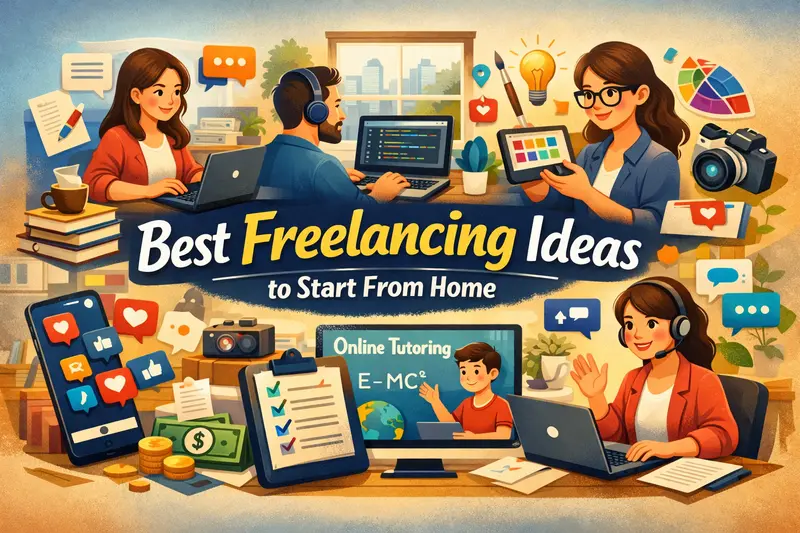

Working from home through freelancing has quietly become one of the most practical ways for people to earn income on their own terms. This guide is for beginners who want flexibility, parents balancing schedules, career switchers testing new skills, and even employed professionals looking for a side income without leaving the house.
From what I’ve seen over the years, freelancing works best for people who want control more than instant results. I’ve watched friends jump in thinking it would replace their full-time income in a month, only to feel discouraged. I’ve also seen others start small, learn steadily, and build something reliable over time. The difference is expectations and choosing the right type of freelance work.
This article walks through realistic freelancing ideas you can start from home, what the work actually looks like, how beginners usually break in, and the common mistakes that trip people up early. No hype. No guarantees. Just practical options that real people use every day.
What Does Freelancing From Home Really Mean?
Freelancing means offering skills or services to clients on a project or contract basis instead of being a permanent employee. You work for yourself, set your availability, and often choose which projects to accept.
In real life, freelancing from home usually looks like:
- Communicating with clients by email, chat, or video
- Working flexible hours around personal responsibilities
- Managing your own deadlines, taxes, and workload
- Dealing with inconsistent income, especially at the start
People often don’t realize that freelancing is less about the specific skill and more about reliability. Clients come back because work is delivered on time, communication is clear, and expectations are met.
Popular Freelancing Ideas You Can Start From Home
Below are some of the most realistic freelancing ideas that beginners commonly start with. None require renting office space or relocating.
Writing and Content Creation

Freelance writing includes blog posts, website copy, product descriptions, newsletters, and basic SEO content. You don’t need to be a novelist. Many clients just want clear, helpful writing.
I’ve helped a relative land their first writing gig simply by rewriting sample articles and pitching small blogs. The pay was modest at first, but it built confidence and a portfolio.
Best for: People who enjoy writing, researching, and explaining ideas clearly.
Graphic Design
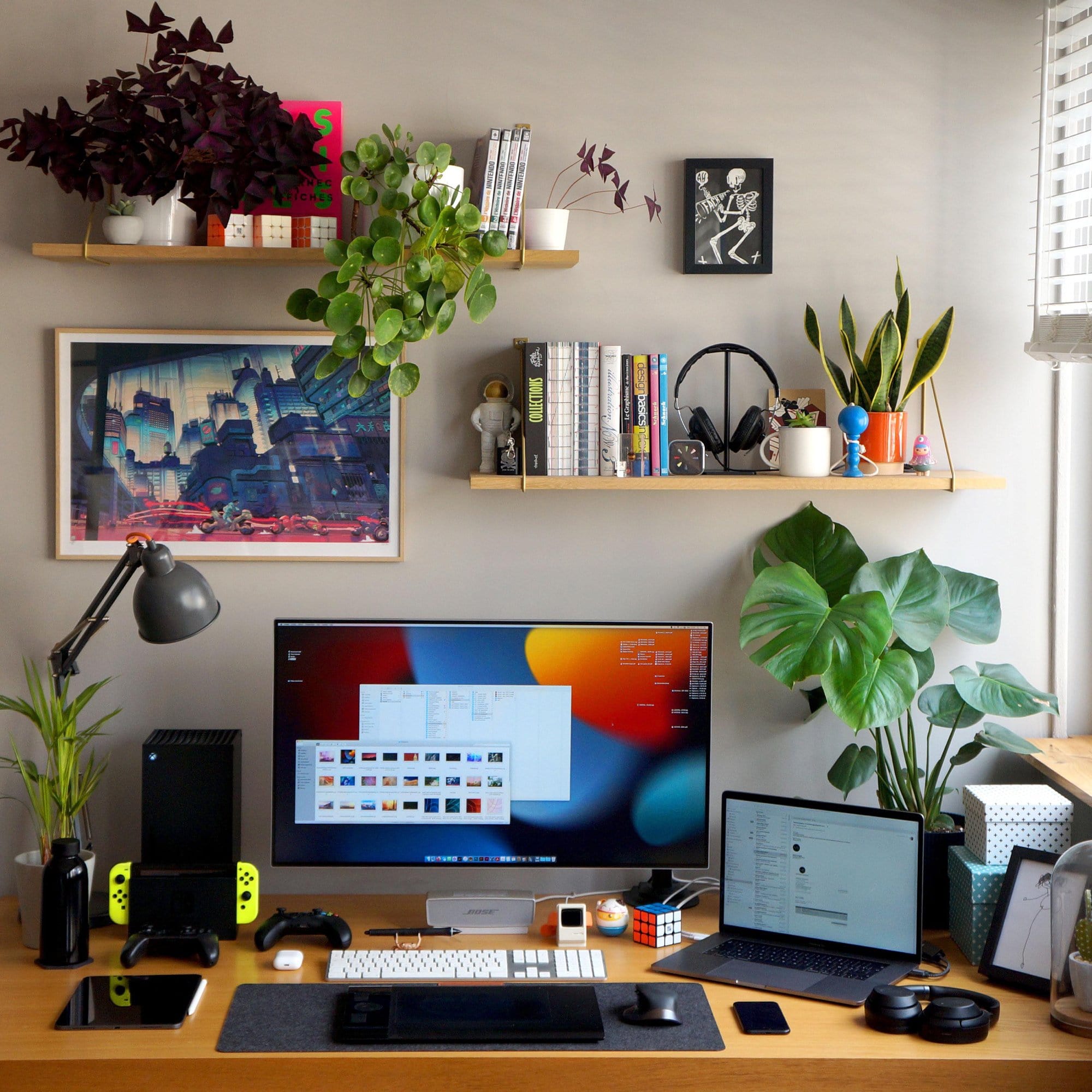
Graphic designers work on logos, social media graphics, presentations, and marketing materials. While professional experience helps, many freelancers start with basic design skills and improve through real projects.
Free tools and templates make it easier to begin, though clients will expect clean and consistent designs.
Best for: Visual thinkers with basic design sense and patience for revisions.
Virtual Assistance

Virtual assistants handle tasks like email management, scheduling, data entry, research, and customer support. This is one of the most beginner-friendly freelance ideas.
I’ve seen people underestimate how valuable organization skills are. One friend started as a general VA and eventually specialized in real estate admin work, which paid better and brought steady clients.
Best for: Organized, detail-oriented people who like helping others stay on track.
Social Media Management
Social media freelancers create posts, schedule content, respond to comments, and analyze basic engagement metrics. Many small businesses outsource this work.
You don’t need to go viral. Consistency and basic understanding of platforms matter more.
Best for: People comfortable with Instagram, Facebook, TikTok, or LinkedIn and basic content planning.
Online Tutoring or Teaching Support

This includes tutoring students, helping with homework, teaching languages, or assisting course creators. Formal teaching credentials help but aren’t always required depending on the subject.
I’ve watched a neighbor start tutoring math online while caring for kids at home. Flexible scheduling made it manageable.
Best for: Patient communicators who enjoy explaining concepts.
Tech and Digital Services
These include web development, basic coding, website maintenance, no-code tools, and troubleshooting. These skills often take longer to learn but can be more stable over time.
Best for: Logical thinkers willing to invest time in learning technical skills.
Skills and Requirements: What You Actually Need
Must-Have Skills
- Reliable internet and computer
- Basic communication and professionalism
- Time management and self-discipline
- Willingness to learn and accept feedback
Nice-to-Have Skills
- Basic marketing or pitching ability
- Familiarity with tools like Google Docs, Zoom, or Trello
- Simple accounting or invoicing knowledge
People often assume freelancing requires advanced expertise. In reality, many successful freelancers started with average skills and improved through practice.
How Beginners Usually Start Freelancing From Home
Here’s a realistic step-by-step path I’ve seen work repeatedly:
- Pick one service, not five
Trying everything slows progress. - Learn the basics well enough to deliver
Not perfection. Just competence. - Create 2–3 sample projects
Even unpaid or personal examples help. - Choose one platform or outreach method
Common platforms include Upwork, Fiverr, and Freelancer. - Apply consistently
Rejection is normal early on. - Overdeliver slightly on first clients
Reviews matter.
I’ve seen people quit after five rejected proposals. The ones who stick with it usually send dozens before landing steady work.
Common Mistakes and Risks to Watch For
- Underpricing to the point of burnout
- Accepting vague projects with unclear scope
- Ignoring contracts or written agreements
- Expecting instant income
- Working without boundaries
One friend worked nonstop for months because they never said no. Freelancing freedom disappears quickly without limits.
Realistic Income Expectations
Income varies widely based on skill, location, hours, and client type.
- Beginners often earn modest amounts at first
- Consistency matters more than hourly rates
- Freelancing income is rarely stable early on
- Many people combine freelancing with another income source
I’ve seen freelancers earn anywhere from small side income to full-time earnings, but none skipped the learning curve.
Practical Tips From Real Experience
- Track time early to avoid undercharging
- Save part of each payment for taxes
- Build relationships, not just one-off gigs
- Raise rates slowly, not suddenly
- Take breaks to avoid burnout
Freelancing is less about grinding and more about pacing yourself.
Frequently Asked Questions
Is freelancing from home realistic for beginners?
Yes, but beginners should expect a learning period. Early projects may pay less while you build experience and confidence. Consistency and patience matter more than talent at the start.
How long does it take to get first freelance client?
Some people land a client in weeks, others take months. It depends on skill demand, effort, and communication. Delays are normal and not a sign of failure.
Do I need to register a business to freelance?
Not immediately in many regions. Many start as individuals and formalize later. It’s best to research local requirements when income becomes consistent.
Can freelancing replace a full-time job?
It can, but it’s rarely instant. Many freelancers transition slowly while keeping another income source.
What freelancing skill is easiest to start?
Virtual assistance, basic writing, and social media tasks are often the most accessible for beginners.
Honest Conclusion…..
Freelancing from home is not a shortcut to easy money, but it is one of the most flexible ways to build income around your life. From what I’ve seen, people succeed when they treat it like a skill-building journey rather than a quick fix.
If you’re willing to start small, learn as you go, and manage expectations, freelancing can become a reliable option over time. The hardest part is starting before you feel ready.