
Creating a resume when you have no formal work experience can feel intimidating. I’ve seen this struggle up close; students staring at a blank page, career changers wondering if they’ve wasted time, and parents reentering the workforce unsure how to explain years away. The truth is, almost everyone starts somewhere, and a “no experience” resume is far more common than people admit.
This guide is for students, fresh graduates, career switchers, stay-at-home parents, and anyone who feels stuck because they’ve never held a traditional job; or at least not one that seems resume-worthy. You don’t need to exaggerate, lie, or pad your resume with fluff. You need to reframe what you already have in a way employers actually understand.
From what I’ve seen in real situations, hiring managers aren’t always looking for experience first. They’re looking for signs of effort, reliability, basic skills, and potential. A strong resume with no experience does exactly that; clearly, honestly, and confidently.
Let’s walk through how to build one step by step.
What Does “No Experience” Really Mean on a Resume?
Most people interpret “no experience” as “nothing to put on a resume.” That’s almost never true.
In real life, “experience” includes:
- School projects
- Volunteer work
- Internships (paid or unpaid)
- Freelance or gig tasks
- Club leadership or group activities
- Caregiving, tutoring, or helping with family businesses
- Online courses with practical outcomes
I’ve watched a buddy dismiss his entire college experience because he never had a paid job. Once we broke down his group projects, presentations, and research work, he suddenly had a full page of relevant content.
Employers know entry-level candidates won’t have long job histories. What they want is proof you can learn, communicate, and follow through.
How a Resume Works in Real Life (Not in Theory)
A resume isn’t your life story. It’s a quick scan document.
In most hiring situations:
- A recruiter spends 6–10 seconds scanning your resume
- They look for keywords that match the job description
- They want clean formatting and easy-to-find information
This is why structure matters more than length when you have no experience. A one-page resume that clearly highlights skills and effort often performs better than a messy two-page resume stuffed with filler.
People often don’t realize this, but a resume’s job is not to get you hired. Its job is to get you an interview.
Best Resume Format When You Have No Experience
Use a Skills-Based or Hybrid Resume
When experience is limited, avoid the traditional “work history first” format.
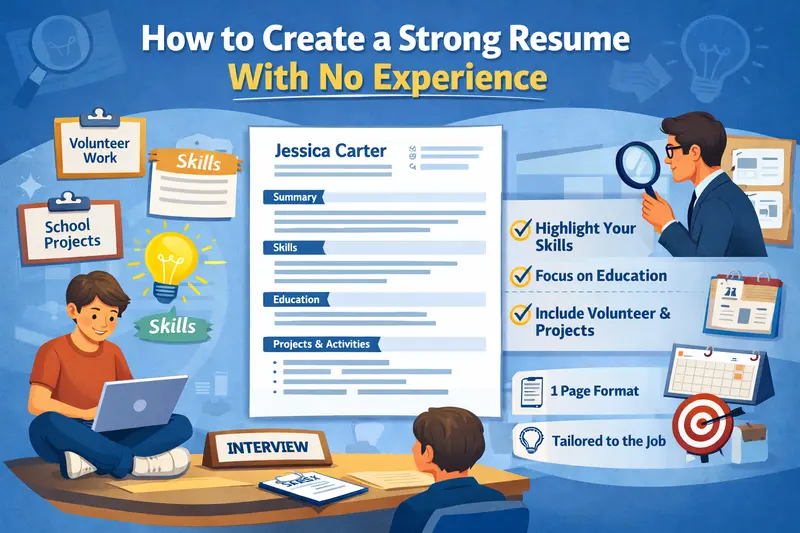
Recommended structure:
- Header (Name + Contact Info)
- Summary or Objective
- Skills Section
- Education
- Projects, Volunteering, or Activities
- Optional Extras (Certifications, Interests)
I’ve seen resumes get rejected simply because education and skills were buried at the bottom. When you lead with what you can do, the lack of experience matters less.
Writing a Resume Summary Without Experience
A resume summary is a short paragraph (2–3 sentences) at the top. This replaces the outdated “objective statement.”
What it should include:
- Who you are
- What skills you bring
- What type of role you’re targeting
Example:
Motivated recent graduate with strong communication and organizational skills developed through academic projects and volunteer work. Known for reliability, attention to detail, and quick learning. Seeking an entry-level role where I can contribute and grow.
No buzzwords. No exaggeration. Just clarity.
Skills: Your Strongest Section (If Done Right)
This is where beginners either shine or sabotage themselves.
Must-Have Skills to Include
Focus on skills that are:
- Relevant to the job
- Demonstrated somewhere in your life
- Easy to explain in an interview
Examples:
- Written and verbal communication
- Time management
- Team collaboration
- Basic computer skills
- Customer interaction
- Problem-solving
Nice-to-Have Skills
Only include these if you can explain them confidently:
- Software tools
- Basic coding or design
- Social media management
- Data entry or research
I once watched someone list “advanced Excel” and freeze when asked about formulas. If you can’t explain it, don’t list it.
Education Section: Make It Work Harder
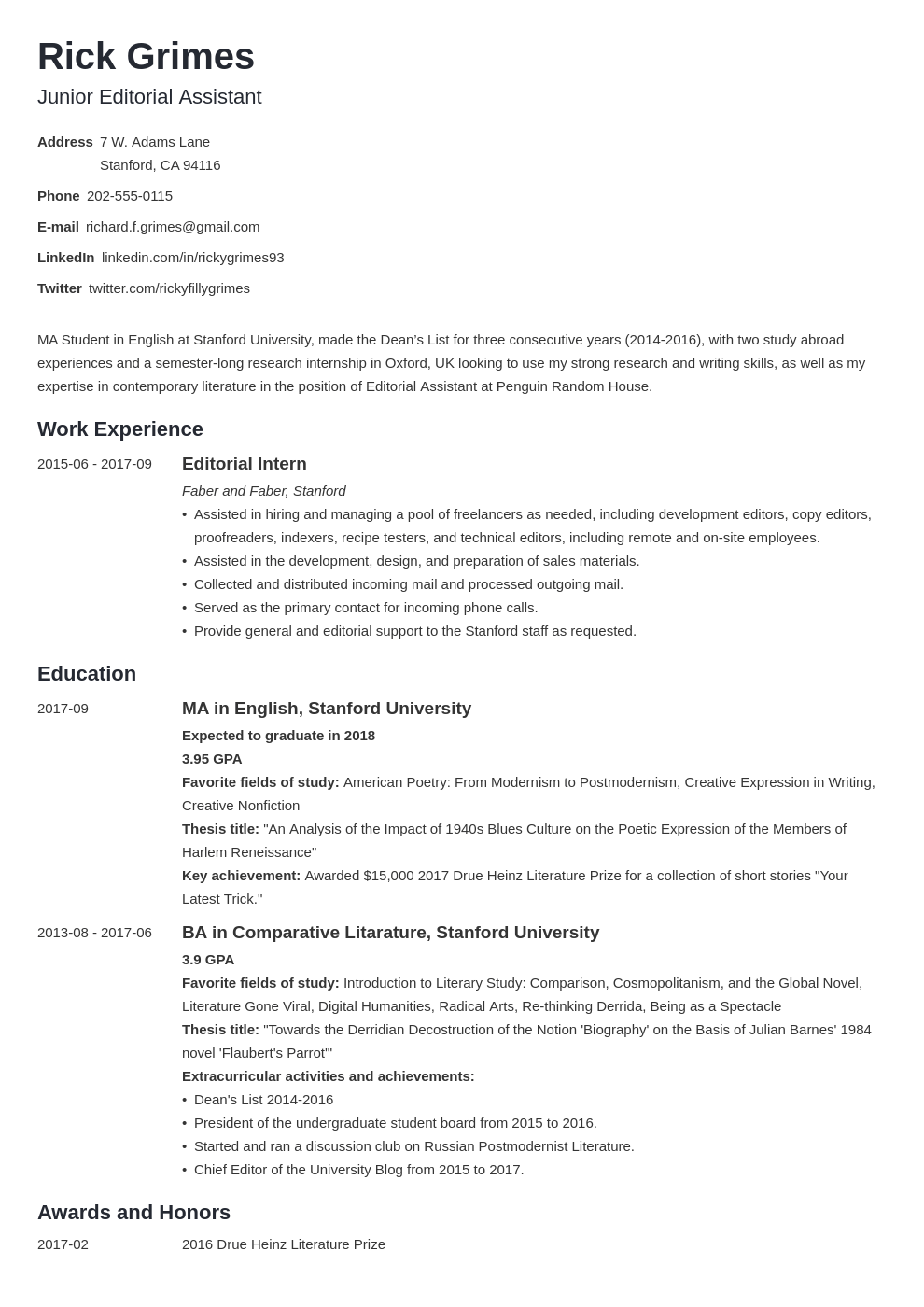
If you’re a student or recent graduate, education should be detailed—not just a line.
Include:
- Degree or program
- School name
- Graduation date (or expected)
- Relevant coursework
- Projects or presentations
Example:
- Group research project analyzing customer behavior
- Final presentation to a panel
- Written reports and peer collaboration
These show transferable skills, not just schooling.
Using Projects, Volunteering, and Activities as Experience
This is where many strong resumes come from.
Examples That Count:
- Class projects with real outcomes
- Volunteering at events or organizations
- Helping manage a family business
- Tutoring classmates
- Online portfolio projects
Describe them like jobs:
- What you did
- How you did it
- What skills you used
Example:
- Coordinated weekly study group for five students
- Created schedules and tracked progress
- Improved group performance through peer support
That’s experience—just unpaid.
Step-by-Step: How Beginners Should Build Their Resume
- Read the job description carefully
- Highlight skills the employer wants
- Match those skills to your life experiences
- Choose a clean one-page format
- Write clear bullet points (no paragraphs)
- Proofread twice—then once more
In real situations, spelling errors hurt beginners more than missing experience. It signals carelessness, not inexperience.
Common Resume Mistakes With No Experience
1. Apologizing for Lack of Experience
Never write phrases like “despite having no experience.”
2. Listing Irrelevant Personal Information
Age, marital status, hobbies without relevance—skip them.
3. Using Generic Templates Without Editing
Recruiters can spot copy-paste resumes instantly.
4. Overloading Soft Skills Without Proof
“Hardworking” means nothing without context.
I’ve seen resumes fail not because of no experience, but because they felt lazy.
Realistic Expectations When Applying With No Experience
Entry-level hiring is competitive. Rejections will happen.
What to expect:
- Fewer callbacks at first
- Better response when resumes are tailored
- Higher success with internships, traineeships, or junior roles
This isn’t a reflection of your worth. It’s part of the process. I’ve watched people land roles on their 30th application—and others on their 5th. Consistency matters more than luck.
Practical Resume Tips From Real Experience
- Customize your resume for each role
- Use the employer’s language (skills, tools, role names)
- Keep formatting simple—no graphics or colors
- Save as PDF unless stated otherwise
- Ask someone else to review it
One small tweak—changing skill wording to match a job post—has helped people I know finally get interviews.
Frequently Asked Questions
How do I write a resume if I’ve never worked before?
Start by listing skills, education, and projects instead of jobs. Employers expect beginners to lack formal work history. Focus on what you’ve done in school, volunteering, or personal projects that show responsibility and effort. Keep it honest and relevant to the role.
Should I lie or exaggerate to get hired?
No. In real hiring situations, exaggeration often backfires during interviews. It’s better to show willingness to learn than pretend expertise. Employers are more forgiving of inexperience than dishonesty.
Can a one-page resume really be enough?
Yes. For entry-level roles, one page is ideal. Recruiters prefer concise resumes that are easy to scan. A strong one-page resume beats a padded two-page resume every time.
What if my education isn’t related to the job?
That’s common. Focus on transferable skills—communication, organization, problem-solving—that apply across industries. Most entry-level roles train you anyway.
Do employers actually read resumes with no experience?
Yes, especially for junior and trainee roles. What they look for is effort, clarity, and potential. A clean, thoughtful resume stands out more than people think.
Your First Resume Is a Starting Point…
Everyone’s first resume feels awkward. That’s normal.
A strong resume with no experience doesn’t pretend you’re something you’re not. It shows who you are right now; and where you’re trying to go. I’ve seen people underestimate themselves, skip applying, and delay opportunities they were actually qualified for.
Build the resume. Apply anyway. Learn as you go.
That’s how experience starts.