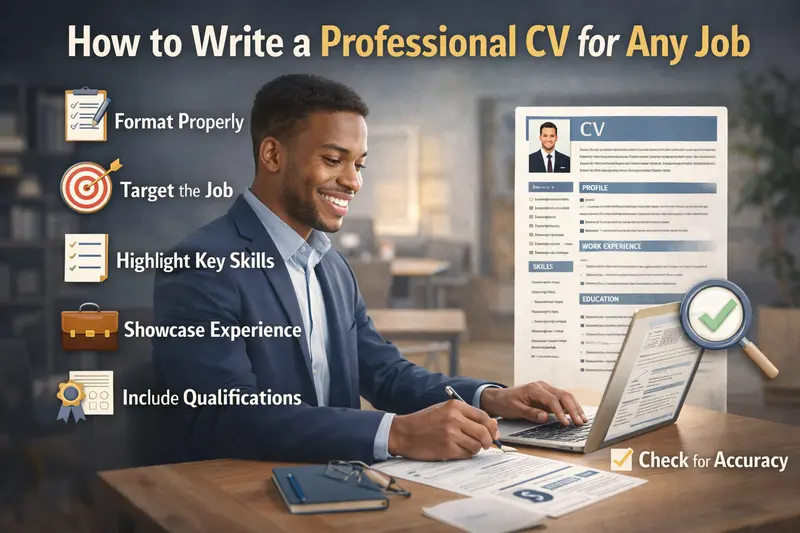

Writing a professional CV can feel overwhelming, especially when you’re applying to different roles or industries. I’ve seen smart, capable people get stuck here-not because they lack experience, but because they don’t know how to present what they already have. Some freeze up staring at a blank page. Others overthink every line, rewriting the same paragraph ten times.
This guide is for anyone who wants a CV that works across any job: entry-level applicants, career changers, parents returning to work, or professionals who just haven’t updated their CV in years. You don’t need fancy design skills or perfect work history. What you need is clarity, structure, and honesty.
From what I’ve seen helping friends and family, a strong CV isn’t about sounding impressive. It’s about making it easy for an employer to understand who you are, what you can do, and why you’re worth interviewing. Once you understand that, the process becomes much simpler.
What Is a CV and What Makes It “Professional”?
A CV (curriculum vitae) is a structured summary of your work experience, skills, and background. In most job markets, “CV” and “resume” are used interchangeably, but the goal is the same: get you to the interview stage.
A professional CV is not:
- A life story
- A list of every job you’ve ever had
- A document full of buzzwords
A professional CV is:
- Clear and easy to scan
- Tailored to the type of role you’re applying for
- Focused on results, not just duties
- Honest about your experience
People often don’t realize that most CVs are skimmed for just a few seconds at first. If the layout is messy or the information is unclear, the content may never get read properly; no matter how qualified you are.
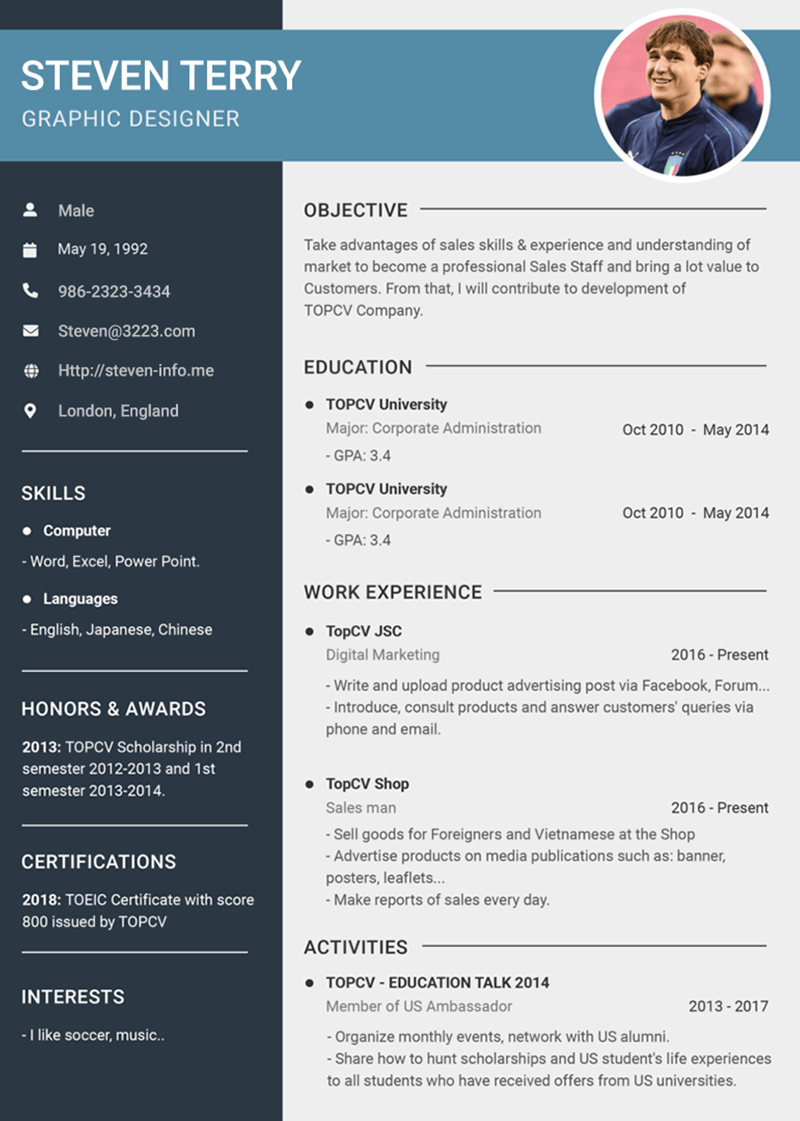
What a Professional CV Looks Like (Simple Structure)
You don’t need a creative design unless you’re in a creative field. For most jobs, a clean, traditional layout works best.
A professional CV usually includes:
- Contact information
- Short professional summary
- Work experience
- Skills
- Education
- Optional sections (certifications, volunteering, projects)
I’ve watched a buddy lose callbacks simply because his CV was cluttered with graphics and icons that didn’t scan well. Once he switched to a plain layout, responses improved almost immediately.
How Your CV Works in Real Life (Behind the Scenes)

Here’s what typically happens after you apply:
- Your CV may go through an automated system first
- A recruiter or hiring manager scans it quickly
- They look for role-relevant keywords and experience
- They decide whether to read deeper or move on
This is why clarity matters more than creativity. Your CV should answer these questions fast:
- What role are you aiming for?
- Do you meet the basic requirements?
- Have you done something similar before?
If those answers aren’t obvious within the first half page, you’re at risk of being skipped.
Step-by-Step: How to Write a CV for Any Job
Step 1: Start With Clear Contact Information
Keep this simple and professional:
- Full name
- Phone number
- Professional email address
- City and country (full address not needed)
Avoid old emails or nicknames. I’ve seen people use emails they created as teenagers—it sounds small, but it affects first impressions.
Step 2: Write a Short Professional Summary (Not an Objective)
Your summary goes at the top and should be 3–4 lines max.
Focus on:
- Your role or professional identity
- Years or level of experience
- Key strengths relevant to the job
Example:
Detail-oriented administrative professional with experience supporting teams, managing schedules, and handling customer communication. Known for reliability, organization, and adapting quickly to new systems.
This section should change slightly depending on the job you apply for.
Step 3: List Your Work Experience the Smart Way
Start with your most recent role and work backward.
For each job include:
- Job title
- Company name
- Dates of employment
- 3–5 bullet points explaining what you actually did
Focus on outcomes, not just tasks.
Instead of:
- Answered customer calls
Try:
- Handled customer inquiries by phone and email, resolving issues efficiently and maintaining positive client relationships
If you have gaps, don’t panic. In real situations, employers care more about what you can do now than perfect timelines.
Step 4: Highlight Skills That Transfer Across Jobs
This is where your CV becomes flexible for any job.
Must-have skills
- Communication
- Time management
- Problem solving
- Basic computer literacy
Nice-to-have skills
- Industry-specific tools
- Leadership or training experience
- Multitasking in fast-paced environments
I’ve helped a family member move from retail to office work mainly by reframing skills she already had—customer service, handling cash, resolving complaints—into professional language.
Step 5: Add Education Without Overthinking It
- Highest level of education
- Institution name
- Graduation year (optional if long ago)
If you’re a beginner, education can go above work experience. If you’re experienced, keep it short and below.
Certifications or short courses can also go here or in a separate section.
Common CV Mistakes I See All the Time
These mistakes come up again and again:
- One CV sent to every job without changes
- Long paragraphs instead of bullet points
- Spelling and grammar errors
- Exaggerating skills or job titles
- Listing responsibilities without results
I once watched a friend apply for months with no luck. The issue wasn’t experience—it was a CV full of vague phrases like “responsible for” and “various tasks.” Once those were rewritten with specifics, interviews followed.
Realistic Expectations: What a CV Can and Can’t Do
A CV won’t:
- Guarantee a job
- Make up for missing qualifications
- Replace interview performance
A CV will:
- Get you noticed if it’s clear and relevant
- Help employers understand your value quickly
- Open the door to conversations
Think of it as an introduction, not a sales pitch.
Practical CV Tips From Real Experience
- Save your CV as a PDF unless told otherwise
- Use simple fonts like Arial or Calibri
- Keep it to 1–2 pages
- Read it out loud to catch awkward phrasing
- Ask someone else to review it
One small habit I recommend: keep a “master CV” with everything, then create shorter tailored versions for each job. It saves time and reduces stress.
Frequently Asked Questions
How long should a professional CV be?
For most jobs, one to two pages is ideal. Beginners and entry-level candidates should aim for one page, focusing on skills, education, and relevant experience. More experienced professionals can use two pages if the content is relevant and well organized. Longer CVs often lose attention unless you’re applying for academic or highly specialized roles.
Do I need a different CV for every job?
You don’t need a completely new CV each time, but you should tailor it slightly. Adjust the professional summary, reorder skills, and emphasize experience that matches the job description. Small changes can make a big difference in how relevant your CV feels to the employer.
What if I don’t have much work experience?
Focus on transferable skills, education, volunteering, internships, or personal projects. Employers understand that everyone starts somewhere. What matters is showing effort, reliability, and willingness to learn. Be honest and avoid padding your CV with exaggerated claims.
Should I include hobbies and interests?
Only include them if they add value or show relevant traits, such as teamwork, leadership, or creativity. If space is tight, it’s usually better to leave them out. Employers care more about what you can contribute at work than how you spend weekends.
How far back should work history go?
Generally, the last 10–15 years is enough. Older roles can be summarized or removed unless they are highly relevant. This keeps your CV focused and avoids unnecessary detail.
Final Thoughts…. Keep It Honest, Clear, and Human
Writing a professional CV doesn’t require perfection. It requires effort, reflection, and a bit of patience. I’ve seen people completely change their job prospects simply by organizing their experience better and writing in plain, confident language.
If you take one thing away from this guide, let it be this: your CV should make life easier for the person reading it. When you do that, you give yourself the best possible chance; no matter the job.